Douro wine and port: two products, one region
Port is a fortified wine made from grapes grown in the demarcated Douro region. Fermentation is stopped by adding brandy, and the wine is then blended and aged. Port usually has 18 to 22 percent alcohol by volume.
The same region also makes still white, red and rosé wines under the Douro name. So Douro wine is not another spelling of port, and not every Douro wine is port. If you want to taste both on a visit, look at the Douro Valley wine tours.

Port categories in short
Not every port is red or very sweet. There are white and rosé ports too.
| Family | Categories | Good to know |
|---|---|---|
| Ruby | Ruby, Ruby Reserva, Late Bottled Vintage (LBV), Crusted, Vintage | LBV comes from a single harvest and is bottled later than a Vintage |
| Tawny | Tawny, Tawny Reserva, age statements of 10, 20, 30, 40 and 50 years, Very Very Old, Colheita | Colheita and an age statement are not the same term |
| White and rosé | White port, rosé port | Both exist beside the red styles |
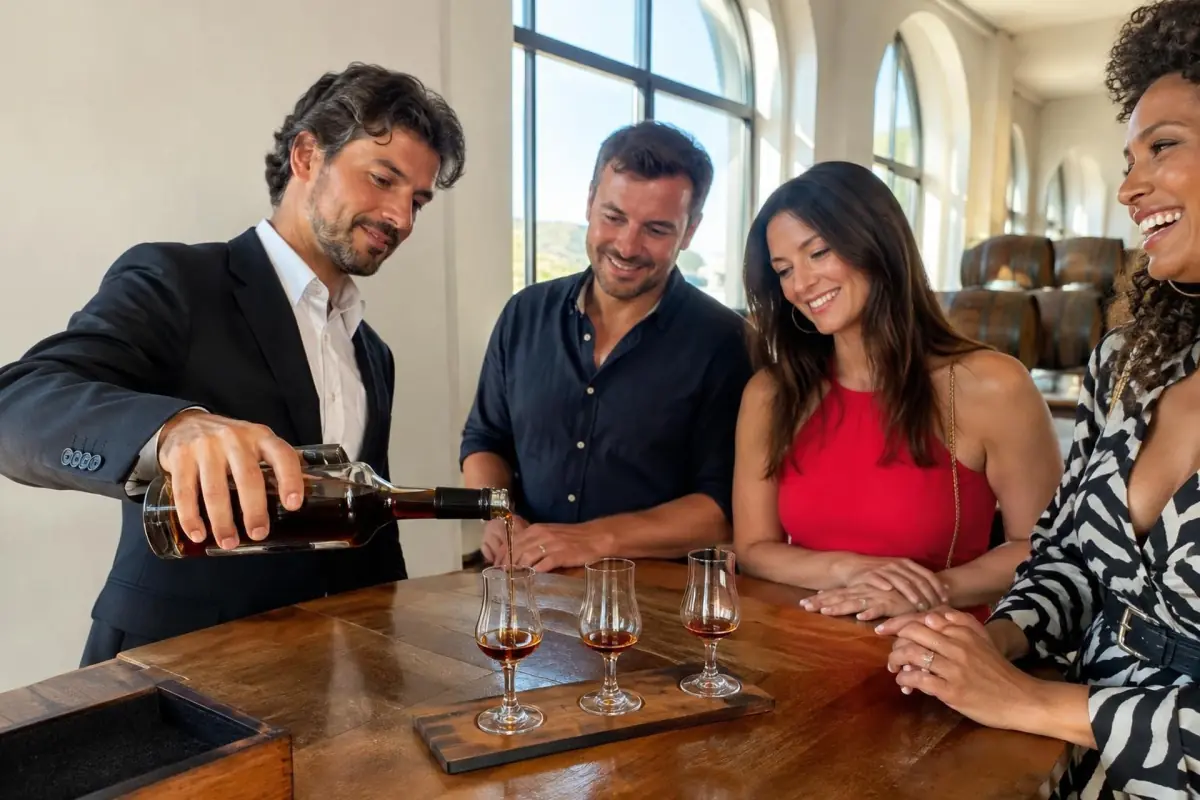
For a first tasting, a ruby and a tawny side by side show the range well, and a guide at the cellar can tell you which categories they pour.
Our pick: a Port wine course
This three-hour course ends with five Port wines to taste, so you learn the styles by drinking them.
Hand-picked tours, booked through GetYourGuide. Prices are indicative starting prices in euros (as of October 2026). Tap a tour for live availability and the current price in your currency.
Port tastings and Douro wine tours
Tastings, cellar and quinta visits and day trips with wine, with live prices and availability.
What the Douro DOC covers
The Douro DOC is the protected origin for the still wines of the region. The red grapes you will meet most often are Touriga Franca, Tinta Roriz, Touriga Nacional and Tinta Barroca. The white grapes include Rabigato, Malvasia Fina, Moscatel Galego Branco and Viosinho.
The IVDP is the public institute for Douro and port wines. Use the Douro and port names only for wine from the protected origin.

Where port is made and where it ages
The vineyards and the production of the region lie in the Douro. The traditional ageing cellars stand in Vila Nova de Gaia, across the river from Porto. A cellar in Gaia is not a quinta in the valley, and a tasting there is a different visit from one on an estate.
If you want to see the vineyards, read the page on quintas. If you want the wine business behind it, read the history of the Douro.

The demarcation of 1756
The date matters, but it does not date every terrace you see.
On 10 September 1756 the Companhia Geral da Agricultura das Vinhas do Alto Douro was founded, with rules on quality, origin and trade under the Marquês de Pombal. The year says when the rules began, not how old the terraces are today.
The UNESCO listing of 2001 is a separate event. The listed core covers 24,600 hectares, which is smaller than the whole demarcated region.
Douro wine and port: frequently asked questions
What is port?
A fortified wine from the demarcated Douro region. Brandy is added during fermentation, then the wine is blended and aged. The usual alcohol content is 18 to 22 percent by volume.
Is every Douro wine port?
No. The region also makes still white, red and rosé wines under the Douro name.
What is the difference between ruby and tawny?
They are two families of port. Ruby includes Ruby Reserva, LBV, Crusted and Vintage. Tawny includes Tawny Reserva, the age statements of 10 to 50 years, Very Very Old and Colheita.
What is LBV?
Late Bottled Vintage comes from a single harvest and is bottled later than a Vintage port.
Where are the port cellars?
The traditional ageing cellars are in Vila Nova de Gaia, opposite Porto. The vineyards are in the Douro region upstream.
Is all Douro wine made in Gaia?
No. The vineyards and production of the region are in the Douro. Gaia is where the traditional ageing cellars stand.